

Brake Maintenance at Gillman Nissan
Driving in the rain takes a little bit of change in perspective because you need more distance to come to a stop. Here are some tips for driving in the bad weather.
In the event that your car starts to slide on a wet road, avoid the common reaction of slamming on the brakes. This will cause the car to lose control. Instead, you should focus on steering into the slide, so the car has the chance to correct itself.
Start leaving more distance between your car and the one directly in front of you are the roads get wet…
There are many reasons a battery can die, but extreme temperatures are a major cause of decreased battery life. Both hot and cold can kill the functionality, but for different reasons.
Cold temperatures put a larger strain on batteries. The oil in the engine can be more viscous, causing a larger draw on the battery in order to get it turned over. The use of extra accessories, such as windshield wipers and lights can also increase the load. On the other hand, hot temperatures can increase the storage capacity of a battery and actually lead to overcharging, one of the…
A clogged and dirty fuel system does not exactly contribute to better mileage. When you clean your fuel injectors and things don't seem to improve, a more ominous problem may be present. The fuel pump could be ready to go out. Be on top of the signs of a worn fuel pump so you can get the part replaced quickly.
With a failing fuel pump, engines have a tendency to sputter and lose power at high speeds or when going uphill. Experiencing engine issues when driving on the highway is nothing to ignore. Be mindful of your engine's…
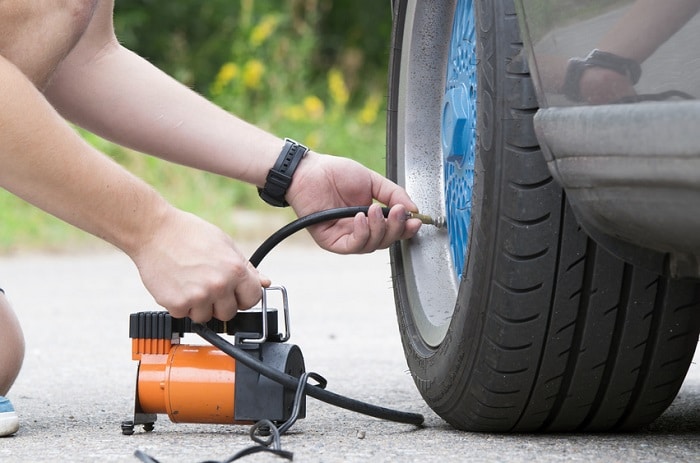
There was a time when keeping your vehicle's tires at their optimal air pressure was a matter of getting out and using a tire pressure gauge to check them. Today's technology has made the process much easier with tire pressure monitoring systems.

Tire pressure is important for a couple reasons. The first reason is that keeping your tires at their optimal pressure will ensure that they wear evenly as you drive and last as long as possible. A second reason is that tires that are under inflated will rob your vehicle of some of its fuel economy because…
If you've always owned brand new vehicles, maybe you haven't needed to replace one yet, but if your vehicle is on 60,000 miles or more, it might be time to replace your timing belt. You see, your timing belt is made of rubber. It also runs at high speed that allows your camshaft and crankshaft to open and close the pistons and valves in synchrony.
So how do you know when it's time to replace your timing belt? Look at your owner's manual to get a rough estimate of when it will need to be…